
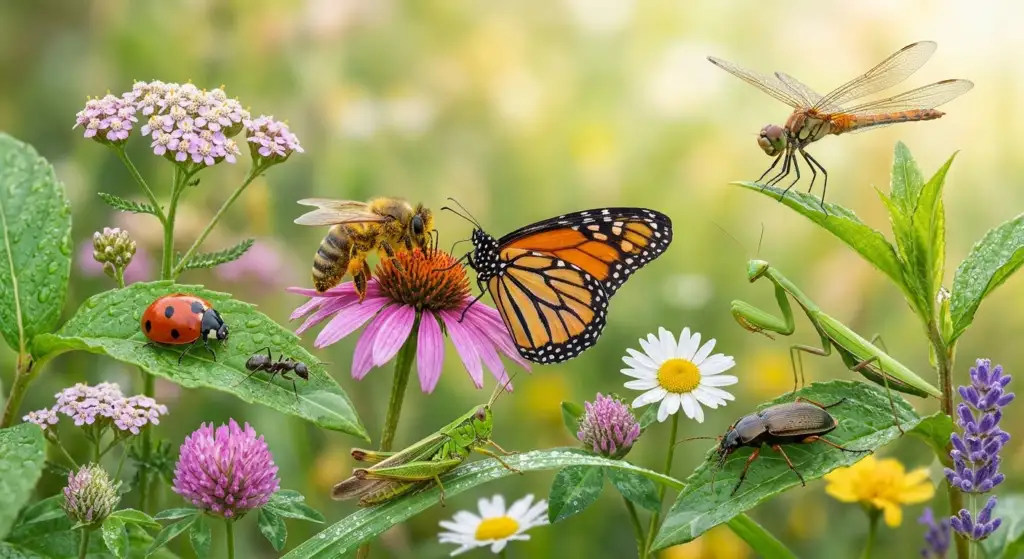
Have you ever spotted a tiny insect crawling across your floor, resting on a leaf in your garden, or flying around your porch and wondered what it was? Identifying bugs can be both fascinating and useful. Whether you’re a homeowner, gardener, student, or nature enthusiast, understanding the insects around you helps you appreciate their role in the environment and determine whether they are beneficial, harmless, or potentially harmful.
Bug identification is the process of recognizing an insect by examining its physical characteristics, behavior, habitat, and life cycle. Since millions of insect species exist worldwide, learning the basics of identification makes it much easier to distinguish one bug from another.
In this guide, you’ll learn the key features used to identify bugs, the most common insects you may encounter, helpful identification methods, and practical tips for accurate results.
What Is Bug Identification?
Bug identification involves determining the species or group of an insect by observing its unique characteristics. While many people use the word “bug” to describe all insects, true bugs belong to a specific scientific group. In everyday language, however, “bug identification” generally refers to identifying any insect or small crawling creature.
Correct identification is important because different insects have different behaviors. Some insects pollinate flowers, some naturally control pests, while others may damage crops, invade homes, or bite people.
Why Is Bug Identification Important?
Learning to identify bugs offers several benefits.
- Helps distinguish beneficial insects from harmful pests.
- Prevents unnecessary use of pesticides.
- Protects gardens and crops.
- Supports biodiversity and conservation.
- Helps identify insects that may bite or sting.
- Makes outdoor activities safer and more enjoyable.
When you correctly identify an insect, you can choose the most appropriate response instead of treating every bug as a pest.
Key Features Used to Identify Bugs
Accurate identification starts with careful observation. Pay attention to the following characteristics.
Body Shape
Most insects have three main body sections:
- Head
- Thorax
- Abdomen
Different insects have unique body shapes that provide valuable clues about their identity.
Number of Legs
Adult insects have six legs. If you find an animal with eight legs, it is likely a spider rather than an insect.
Wings
Observe whether the insect has wings and note their appearance.
Some insects have:
- Two wings
- Four wings
- No wings at all
Wing color, texture, and shape can be important identification features.
Antennae
Antennae vary greatly among species. They may be:
- Long
- Short
- Feather-like
- Thread-like
- Club-shaped
Color and Patterns
Body color alone should not be the only identifying feature, but unique markings, stripes, spots, or metallic colors often help narrow down possibilities.
Size
Estimate the insect’s length using a ruler or compare it to a familiar object like a coin.
Behavior
Behavior often provides useful clues.
Ask questions like:
- Does it fly or crawl?
- Is it active during the day or night?
- Does it jump?
- Does it burrow?
- Does it gather in groups?
Common Bugs and How to Identify Them
Ants
Ants are social insects that live in organized colonies. They have elbowed antennae, narrow waists, and are commonly found near food or soil.
Ladybugs
Ladybugs are small, dome-shaped beetles with bright red, orange, or yellow shells covered in black spots. They are beneficial insects because they feed on aphids and other garden pests.
Butterflies
Butterflies have colorful wings covered in tiny scales. They possess slender bodies and club-shaped antennae. Most butterflies are active during the day and play an important role in pollination.
Bees
Bees are fuzzy insects that collect pollen and nectar from flowers. They are essential pollinators responsible for supporting many crops and wild plants.
Beetles
Beetles are one of the largest insect groups on Earth. They have hard wing covers that protect their flying wings underneath. Sizes and colors vary greatly depending on the species.
Grasshoppers
Grasshoppers have strong hind legs designed for jumping. They usually live in grassy fields and feed primarily on plants.
Dragonflies
Dragonflies have long bodies, large eyes, and two pairs of transparent wings. They are fast flyers and help control mosquito populations by feeding on smaller insects.
Cockroaches
Cockroaches have flat, oval-shaped bodies and long antennae. They are mainly active at night and are often found in warm, damp indoor environments.
Houseflies
Houseflies are small flying insects commonly found around homes and garbage. They have one pair of wings and large compound eyes.
Mosquitoes
Mosquitoes have slender bodies, long legs, and needle-like mouthparts used for feeding. Female mosquitoes may bite humans and animals to obtain blood needed for egg production.
Where You Can Find Different Bugs
Different insects prefer different environments.
Gardens
Gardens attract butterflies, bees, ladybugs, caterpillars, aphids, beetles, and many pollinating insects.
Forests
Woodlands are home to beetles, moths, ants, dragonflies, and numerous other insect species.
Homes
Inside homes, you may encounter ants, cockroaches, silverfish, spiders, flies, and pantry pests.
Water Sources
Ponds, lakes, and wetlands often support dragonflies, mosquitoes, water striders, and aquatic insect larvae.
Tips for Accurate Bug Identification
Take Clear Photos
Photograph the insect from multiple angles if possible. Include close-up images of the body, wings, and antennae.
Observe Without Touching
Many insects are harmless, but some may sting or bite. Observe from a safe distance whenever possible.
Note the Habitat
Record where the insect was found.
Examples include:
- Kitchen
- Garden
- Tree bark
- Flower
- Soil
- Pond
Habitat information often helps identify similar-looking species.
Watch Its Movement
Notice whether the insect flies, jumps, crawls, or burrows. Movement patterns can help distinguish closely related insects.
Compare Multiple Features
Never rely on color alone. Instead, compare body shape, size, antennae, wings, habitat, and behavior together for more accurate identification.
Common Mistakes People Make
Many beginners make these mistakes when trying to identify bugs.
- Assuming every small insect is harmful.
- Identifying insects based only on color.
- Confusing spiders with insects.
- Ignoring the insect’s habitat.
- Forgetting that young insects often look very different from adults.
Taking time to observe multiple characteristics leads to much more reliable identification.
Helpful Tools for Bug Identification
Several resources can make identification easier.
- Printed insect field guides.
- Nature reference books.
- Educational websites.
- Mobile insect identification apps.
- Local extension services.
- Natural history museums.
- Community nature groups.
Using more than one source helps confirm your findings.
Are All Bugs Harmful?
No. In fact, many insects provide essential ecological benefits.
Beneficial insects include:
- Bees that pollinate crops.
- Ladybugs that eat harmful pests.
- Dragonflies that reduce mosquito populations.
- Butterflies that assist with pollination.
- Ground beetles that feed on garden pests.
Only a small percentage of insects become household or agricultural pests.
Conclusion
Learning bug identification is a valuable skill that helps you better understand the natural world. By observing an insect’s body shape, wings, legs, antennae, behavior, and habitat, you can identify many common species with confidence. Whether you’re exploring your garden, maintaining your home, or simply curious about the insects you encounter, accurate identification allows you to make informed decisions and appreciate the important roles these creatures play in nature.
At TheCrawlix, we’re passionate about helping readers discover the fascinating world of insects through reliable, easy-to-understand guides. Keep exploring, stay curious, and use your growing knowledge to identify bugs with confidence wherever you find them.
Frequently Asked Questions (FAQs)
1. What is bug identification?
Bug identification is the process of recognizing an insect by examining its physical features, behavior, habitat, and other characteristics to determine its species or group.
2. What is the easiest way to identify a bug?
The easiest method is to observe the insect’s body shape, number of legs, wings, antennae, size, color, and the location where it was found. Clear photos can also help with identification.
3. Are all bugs considered insects?
No. Although people often use the word “bug” for any small crawling creature, insects have six legs and three body segments. Spiders, ticks, and mites are arachnids, not insects.
4. Why is bug identification important?
Identifying bugs helps distinguish beneficial insects from pests, supports effective pest management, protects gardens, and promotes a better understanding of local biodiversity.
5. Can I identify bugs using my smartphone?
Yes. Many smartphone apps and online resources can help identify insects from clear photographs, although it’s always a good idea to verify the results with trusted references.